
T-Shirt Mockup Generator With Your Logo
A tee is the thinnest thing you will ever print on, which is what makes it hard to fake. Jersey cotton is light enough that the weave reads through the ink, the shoulder seam pulls a chest print slightly out of square, and an oversized fit drops that print lower on the body than a classic one. Artwork pasted flat across a cut-out misses all three, and it shows at listing size.
How to make a t-shirt mockup
- 1
Upload your artwork
PNG with a transparent background is best. A JPG carries a white rectangle with it, which is invisible on a white tee and very visible on every other colour.
- 2
Choose the fit and the colour
Classic or oversized changes where the print sits, not just how the shirt looks. Pale colourways hold fine detail; on black, thin strokes and light tones are the first thing to disappear.
- 3
Generate and download
The render comes back square, sized for a marketplace listing.
Stop rebuilding the same images
Signed in, you describe your listing set once — your scenes, your title, your size chart, your logo — and every new design runs through it and comes back finished. The tenth product costs what the first did.
Add a design to continue.
Required. Everything else has a sensible default.
Examples
Watermarked until you sign up free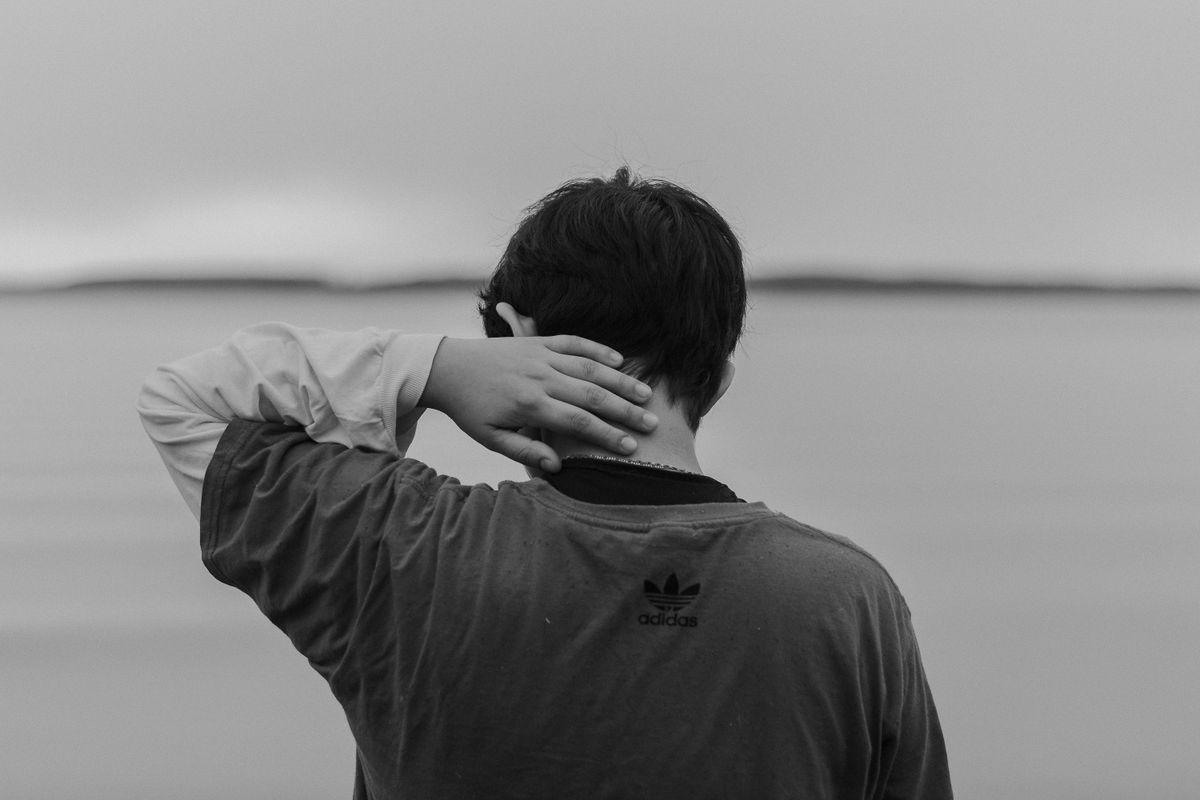
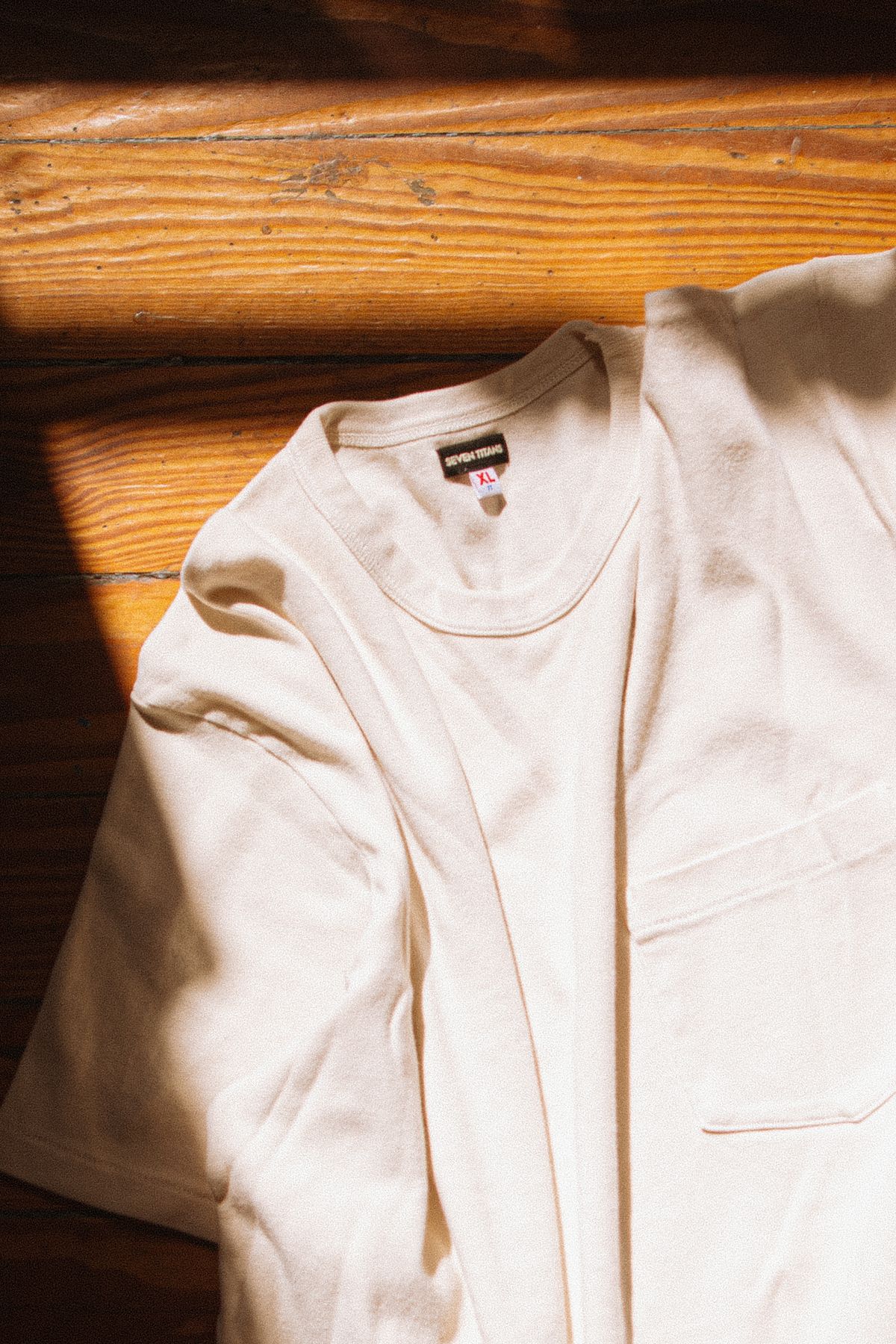
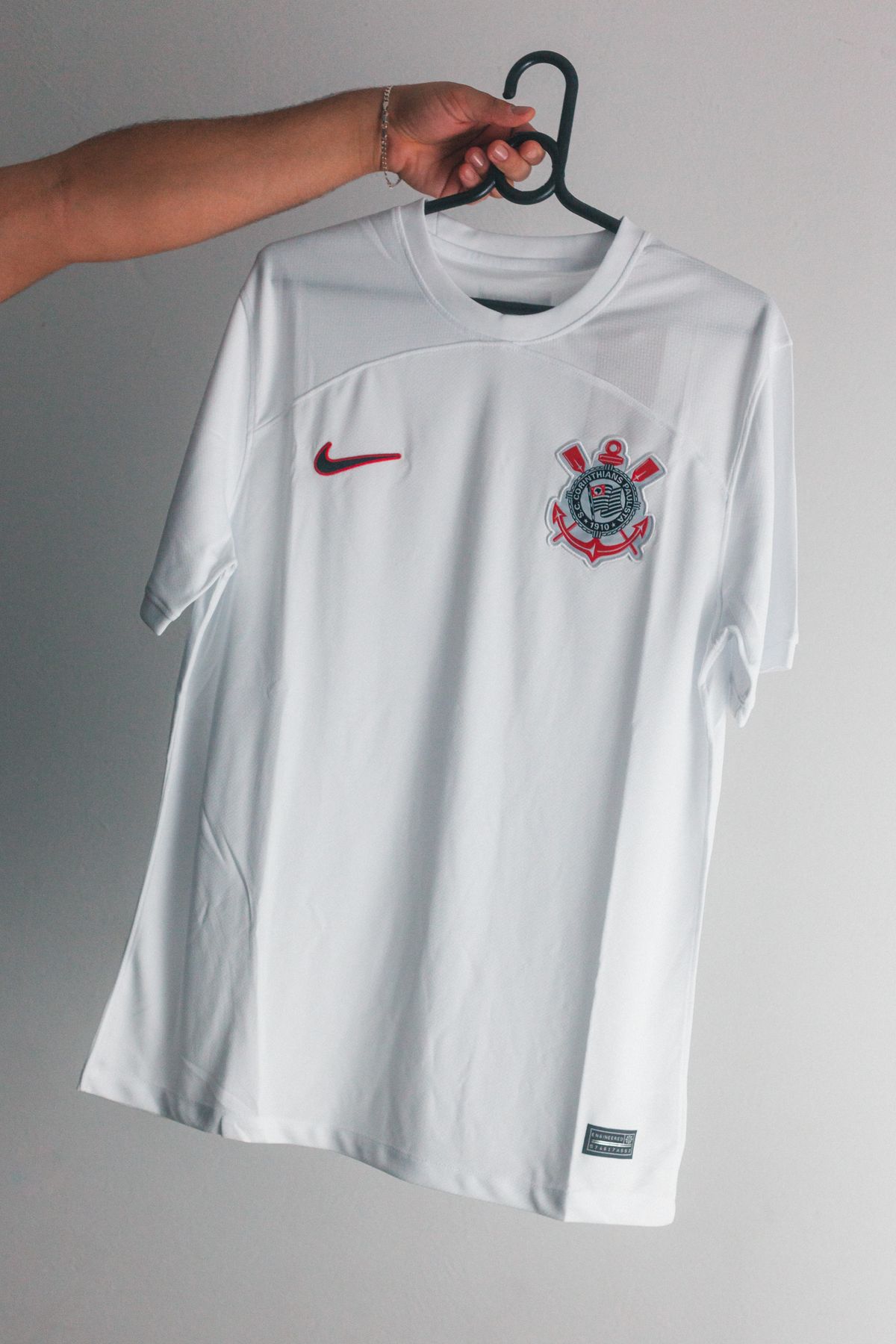
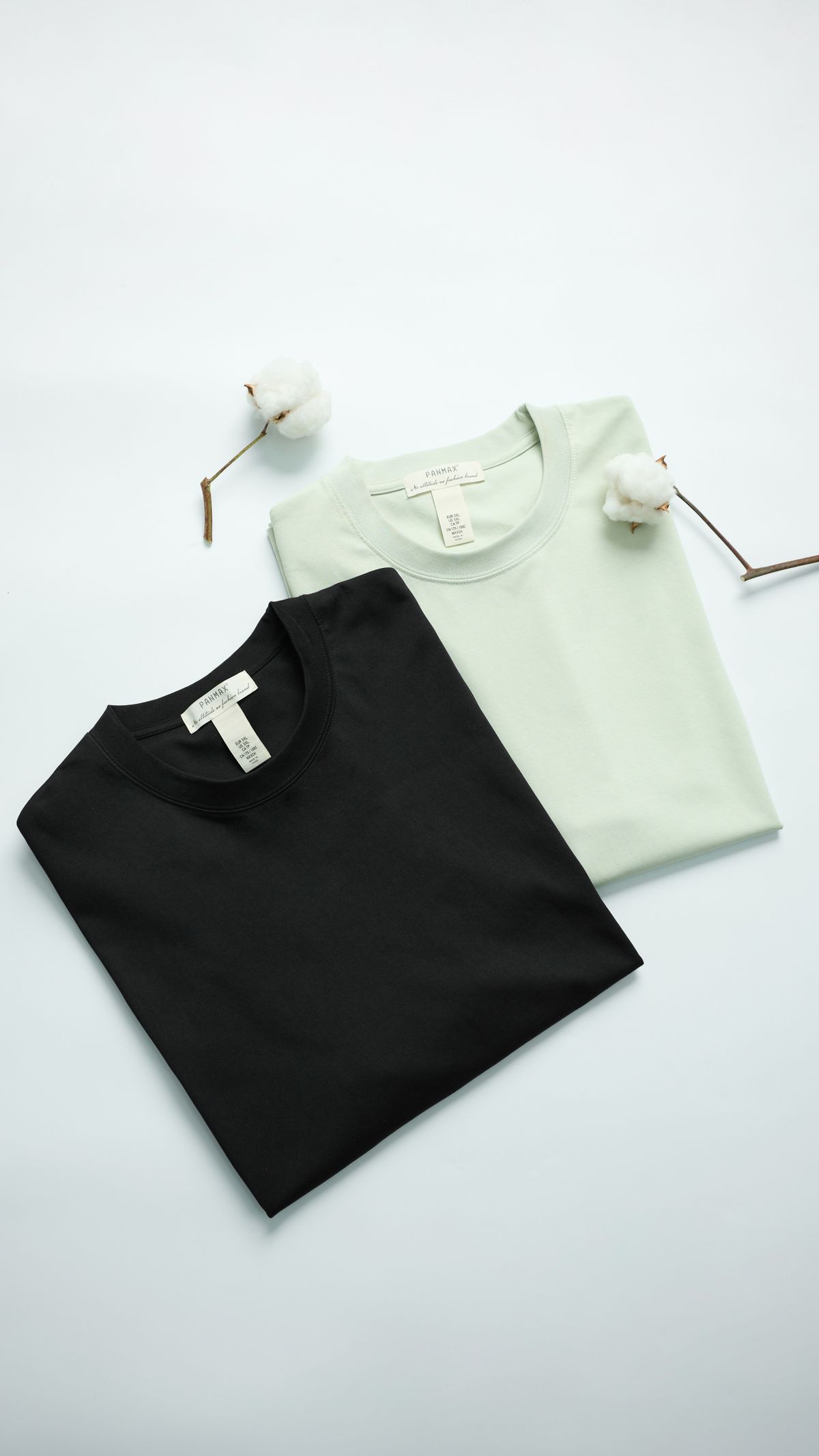
Your logo on every mockup
Add your logo once and it is placed on every image the flow generates, same position, same size, across the whole set. No bulk mockup generator does this, and it is the reason most sellers still finish their listing images by hand.
Design specifications
| Recommended artwork size | 4500 × 5400 px (15 × 18 in at 300 DPI) |
|---|---|
| Standard front print area | 12 × 16 in (adult), top edge 3 in below the collar |
| Left chest print | 3.5 × 3.5 in, centred roughly 7 in from the shoulder seam |
| Sleeve print | 3.5 × 4 in, and it curves, so keep text off the outer third |
| Oversized and drop-shoulder | Print sits 1 to 2 in lower; the seam is past the shoulder |
| Colour profile | sRGB, 300 DPI minimum for DTG |
What sellers say
Before Custom Mockup Generator, every new design meant rebuilding the same five listing images from scratch. Now I drop in the design and get the whole set back ready to upload. It turned mockups from a production task into a checkbox.
Maya PatelEtsy seller, 40+ designsI tried template libraries, but the problem was never finding another mockup. It was making the same front, back, flat lay, size chart and lifestyle images over and over. Custom Mockup Generator finally solves that repetition.
Daniel BrooksPrint-on-demand sellerWe were considering building a rendering API because we had so many designs to process. Custom Mockup Generator gave us the result we actually needed without turning our shop into a software project.
Chris MorganPOD store ownerThe biggest difference is that I don't have to think about individual images anymore. I define the listing set once, add a new design, and the title, logo and size chart are already where they need to be.
Sofia RamirezIndependent apparel sellerMost mockup tools help you choose a scene. Custom Mockup Generator helps you finish a listing. That distinction sounds small until you're creating images for dozens or hundreds of products.
Alex TurnerE-commerce sellerI used to dread adding a new design because the artwork took five minutes and the mockups took forever. Now the artwork is basically the only part I have to do.
Jordan LeePrint-on-demand designer
Frequently asked questions
Can I put my logo on the mockup as well as my design?
Yes, and they are separate things. The design is what gets printed on the shirt; the logo is your shop's mark, placed onto the finished listing image in the same spot every time. Sellers usually want the design large on the chest and the logo small and consistent across the whole set, which is why they are uploaded separately.
What is the difference between a classic and an oversized mockup?
Where the artwork lands. An oversized or drop-shoulder tee puts the shoulder seam partway down the arm, which drops the whole print an inch or two and leaves more blank fabric above it. A design centred for a classic fit can look like it is sliding off an oversized one, which is why the fit is a choice here rather than a styling detail.
Can I mock up the front and the back together?
Yes, generate each placement separately and use both images in the listing. Front and back are the two slots buyers actually open, and a back print with no photo of it reliably gets asked about in messages.
Why does my design look washed out on a dark tee?
Because it is being printed, not pasted. Dark garments need a white underbase for light ink to read, and very pale or semi-transparent artwork loses contrast against black even with one. Test it on the darkest colourway you intend to sell before committing to a print run.
Is this mockup generator free?
Yes. You get 4 free images without an account, and they carry a watermark. Pro is $7 a month and gives you 100 images, without the watermark.
Can I use these mockups commercially?
Yes, once the watermark is gone, which the Pro plan handles. Clean exports can be used on Etsy, Shopify, Amazon and print-on-demand listings, and in client work. Watermarked exports are for comps and internal review only.
Do I need Photoshop or a smart-object template?
No. This runs in the browser. Upload your artwork, choose the options, download the result. There is no PSD to open, no smart object to replace and nothing to install.
Which file formats can I upload?
PNG, JPG and WebP. PNG with a transparent background gives the cleanest result on every product, because a JPG carries a white rectangle that shows up against anything the artwork does not fully cover.