
Hoodie Mockup Generator With Your Logo
Drop a design onto a hoodie and get back something that looks photographed. Heavyweight fleece drapes differently from a tee. The chest print sits across a thicker, softer surface, the pouch pocket eats the bottom of a large graphic, and the hood casts a shadow across the upper chest. This generator accounts for all three rather than flattening your artwork onto a cut-out.
How to make a hoodie mockup
- 1
Upload your design
PNG with a transparent background gives the cleanest result. SVG and JPG work too, but a JPG's white box will show up on anything other than a white garment.
- 2
Pick a scene and colourway
Choose on-model, flat-lay, hanger or studio, then set the garment colour. Fleece takes ink differently from jersey, so the same artwork reads heavier here than it does on a tee.
- 3
Generate and download
Your mockup renders in a few seconds and downloads as a PNG.
Stop rebuilding the same images
Signed in, you describe your listing set once — your scenes, your title, your size chart, your logo — and every new design runs through it and comes back finished. The tenth product costs what the first did.
Add a design to continue.
Required. Everything else has a sensible default.
Examples
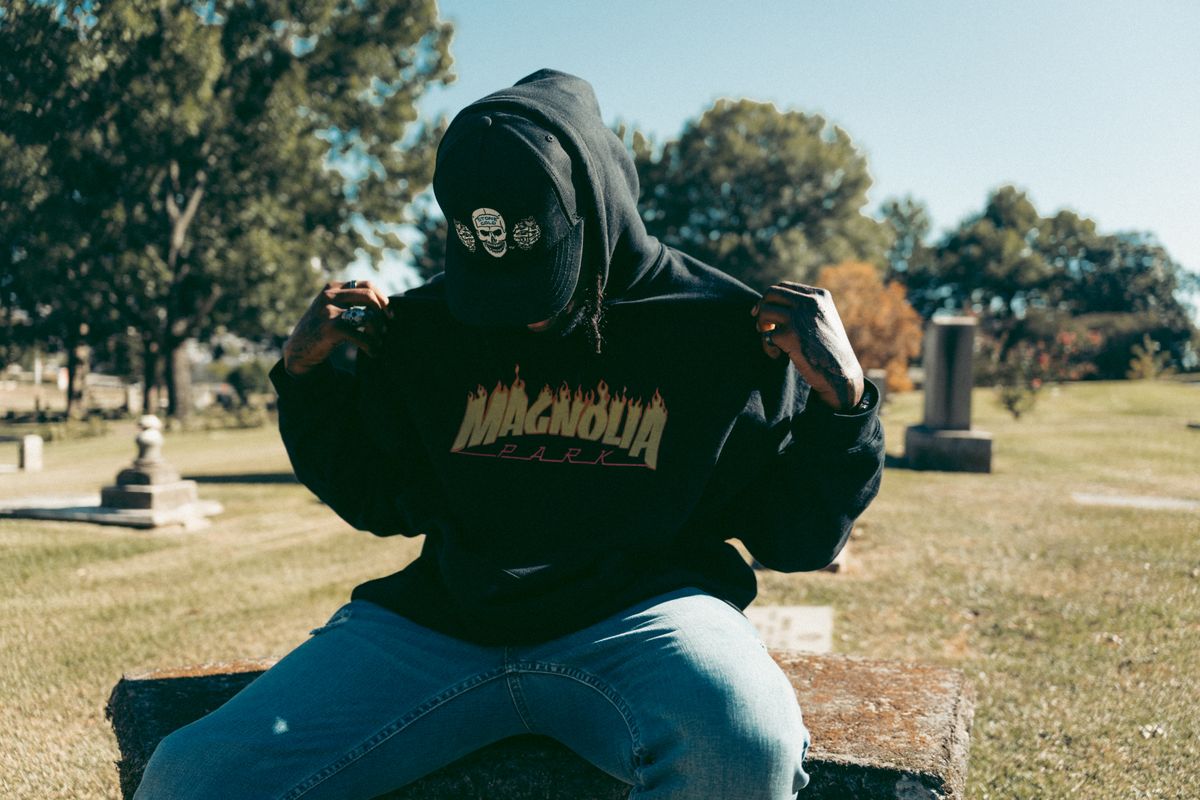
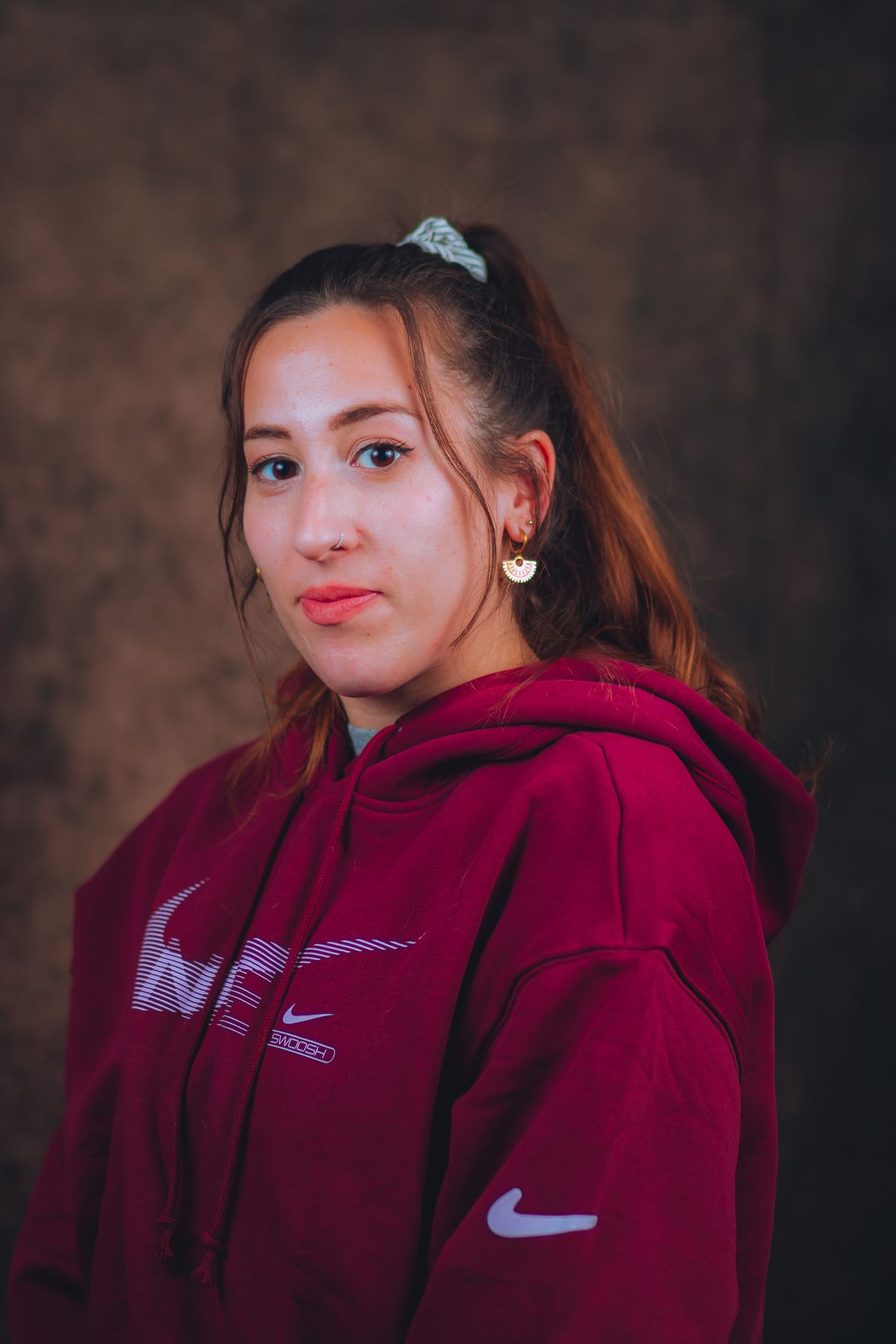
Watermarked until you sign up free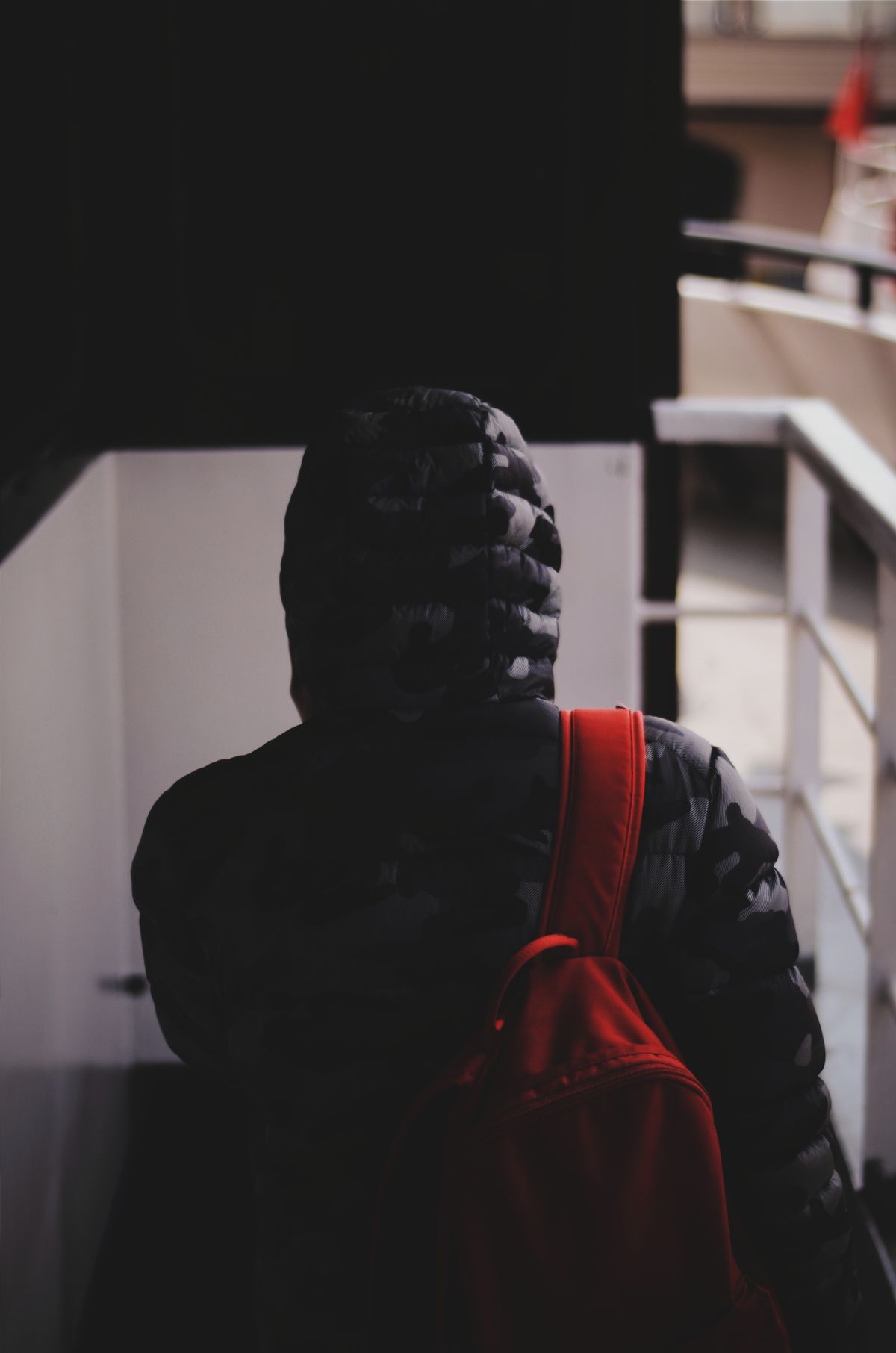

Your logo on every mockup
Add your logo once and it is placed on every image the flow generates, same position, same size, across the whole set. No bulk mockup generator does this, and it is the reason most sellers still finish their listing images by hand.
Styles & colours
Design specifications
| Recommended design size | 4500 × 5400 px (15 × 18 in at 300 DPI) |
|---|---|
| Standard front print area | 12 × 16 in (adult), centred 3 in below the collar |
| Resolution | 300 DPI minimum for DTG |
| File formats | PNG with transparency preferred; SVG, JPG, WebP accepted |
| Colour profile | sRGB |
| Pocket clearance | Keep artwork 2 in above the pouch seam on pullovers |
What sellers say
Before Custom Mockup Generator, every new design meant rebuilding the same five listing images from scratch. Now I drop in the design and get the whole set back ready to upload. It turned mockups from a production task into a checkbox.
Maya PatelEtsy seller, 40+ designsI tried template libraries, but the problem was never finding another mockup. It was making the same front, back, flat lay, size chart and lifestyle images over and over. Custom Mockup Generator finally solves that repetition.
Daniel BrooksPrint-on-demand sellerWe were considering building a rendering API because we had so many designs to process. Custom Mockup Generator gave us the result we actually needed without turning our shop into a software project.
Chris MorganPOD store ownerThe biggest difference is that I don't have to think about individual images anymore. I define the listing set once, add a new design, and the title, logo and size chart are already where they need to be.
Sofia RamirezIndependent apparel sellerMost mockup tools help you choose a scene. Custom Mockup Generator helps you finish a listing. That distinction sounds small until you're creating images for dozens or hundreds of products.
Alex TurnerE-commerce sellerI used to dread adding a new design because the artwork took five minutes and the mockups took forever. Now the artwork is basically the only part I have to do.
Jordan LeePrint-on-demand designer
Frequently asked questions
Can I add my brand logo to the mockup?
Yes. Upload it once and it is placed on every image the run produces, at the same size and position. Keep it clear of the hood shadow across the upper chest, which is the one area of a hoodie photograph where a small mark stops being readable.
What size should my design be?
4500 × 5400 px at 300 DPI covers a standard 15 × 18 in adult front print with room to crop. Smaller files still render, but anything under 150 DPI at final print size will look soft once it is on fabric.
Will my design look right on a dark-coloured hoodie?
Check it rather than assume. A real DTG printer lays a white underbase under dark garments so colour reads, and heavy fleece takes that better than thin jersey does. Dark or semi-transparent artwork on a black hoodie is the combination that most often disappoints, so generate that colourway before you commit to a print run.
How do I keep artwork clear of the pouch pocket?
Keep the bottom edge about 2 in above the pocket seam. The pouch sits higher on a hoodie than people expect and it is doubled fabric, so anything crossing it both distorts and prints unevenly. Tall designs are usually better shortened than shifted upward, because moving them up puts them under the hood shadow instead.
Is this mockup generator free?
Yes. You get 4 free images without an account, and they carry a watermark. Pro is $7 a month and gives you 100 images, without the watermark.
Can I use these mockups commercially?
Yes, once the watermark is gone, which the Pro plan handles. Clean exports can be used on Etsy, Shopify, Amazon and print-on-demand listings, and in client work. Watermarked exports are for comps and internal review only.
Do I need Photoshop or a smart-object template?
No. This runs in the browser. Upload your artwork, choose the options, download the result. There is no PSD to open, no smart object to replace and nothing to install.
Which file formats can I upload?
PNG, JPG and WebP. PNG with a transparent background gives the cleanest result on every product, because a JPG carries a white rectangle that shows up against anything the artwork does not fully cover.
Related
- Black Hoodie MockupBlack is the best-selling hoodie colour and the least forgiving to print on. Anything lighter than the fabric needs a white underbase laid down first, which thickens the print and slightly desaturates every colour above it. Seeing your design on black before you order is the cheapest way to find out whether it survives that, and it is the colourway most worth checking.
- T-Shirt Mockup Generator With Your LogoA tee is the thinnest thing you will ever print on, which is what makes it hard to fake. Jersey cotton is light enough that the weave reads through the ink, the shoulder seam pulls a chest print slightly out of square, and an oversized fit drops that print lower on the body than a classic one. Artwork pasted flat across a cut-out misses all three, and it shows at listing size.