
Book Cover Mockup Generator
A printed cover is one sheet that has to wrap a thickness you do not control. The spine width comes from the page count and the paper stock, so a 200-page paperback and a 400-page one need different files for the same design. Get it wrong by two millimetres and the title creeps around onto the front, which is the most common reason a self-published cover comes back wrong.
How to make a book cover mockup
- 1
Upload your cover
Front only is enough for a listing or an ebook. For a printed proof you want the full wrap, with the back and spine in the same file.
- 2
Choose the format and the angle
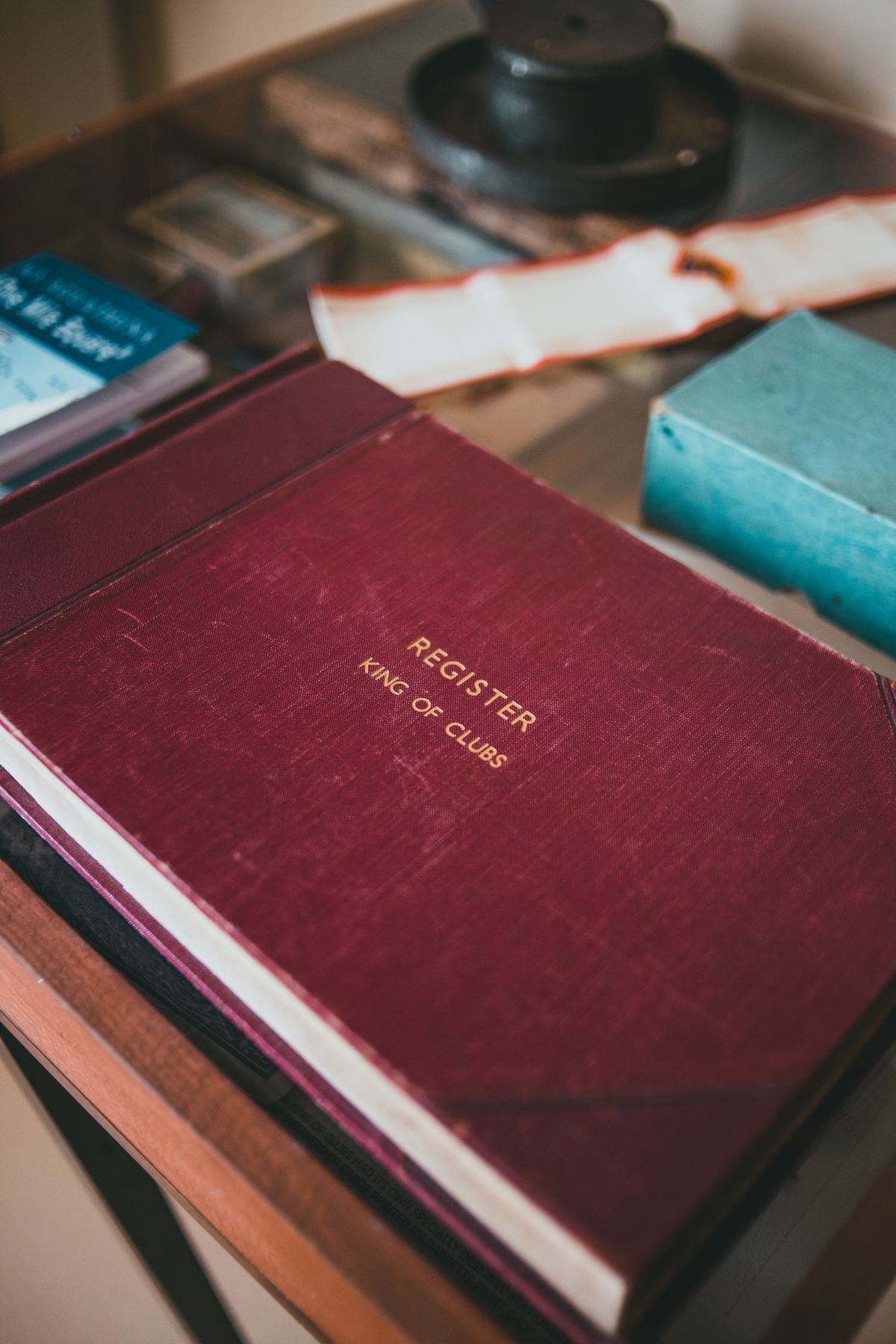
A three-quarter standing shot shows thickness, which is what makes a book look like an object rather than an image. Flat is better when the artwork itself is the selling point.
- 3
Generate and download
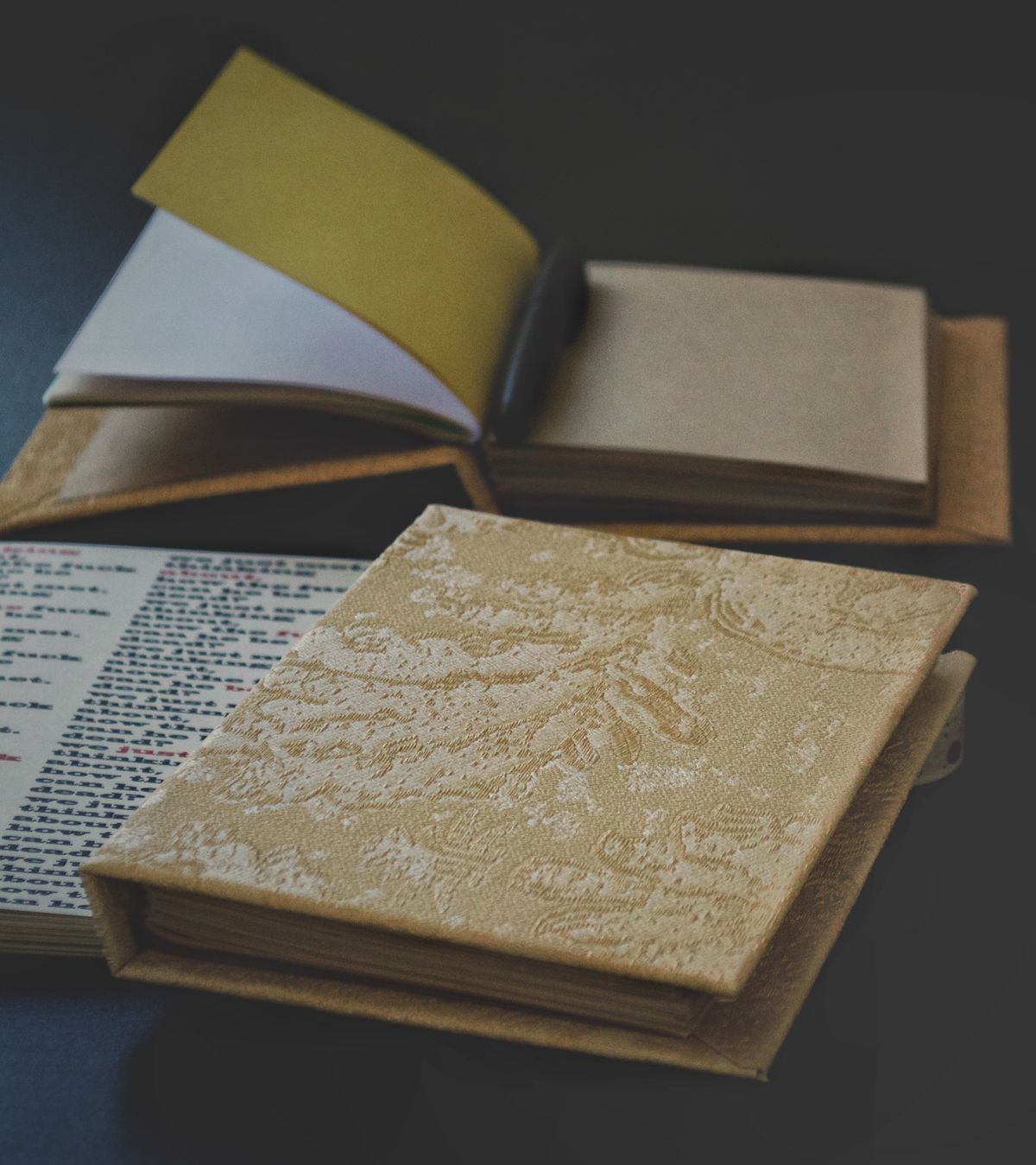
An open-book shot is worth generating too if the interior layout is part of what you are selling.
Stop rebuilding the same images
Signed in, you describe your listing set once — your scenes, your title, your size chart, your logo — and every new design runs through it and comes back finished. The tenth product costs what the first did.
Add a design to continue.
Required. Everything else has a sensible default.
Examples
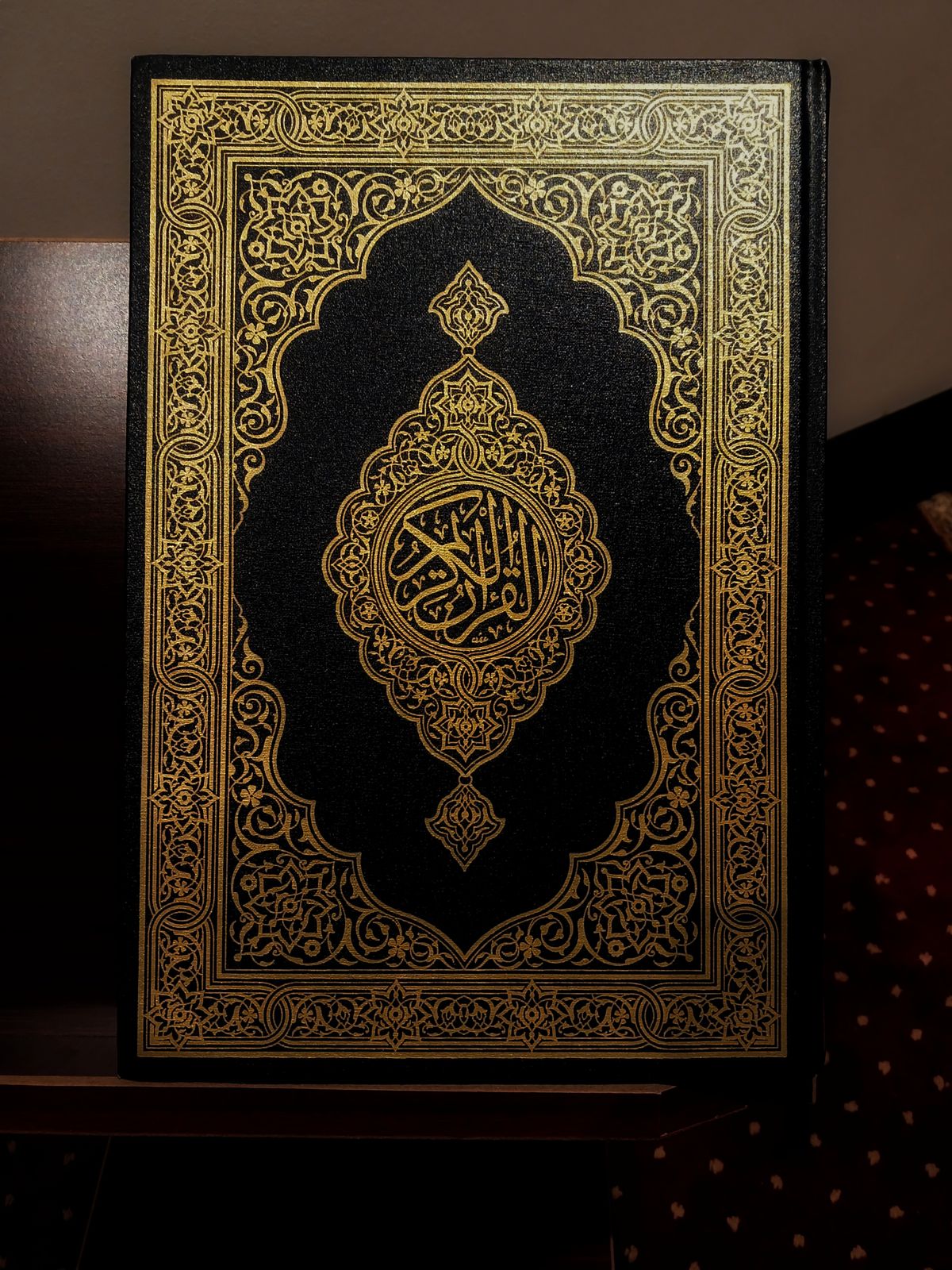
Watermarked until you sign up free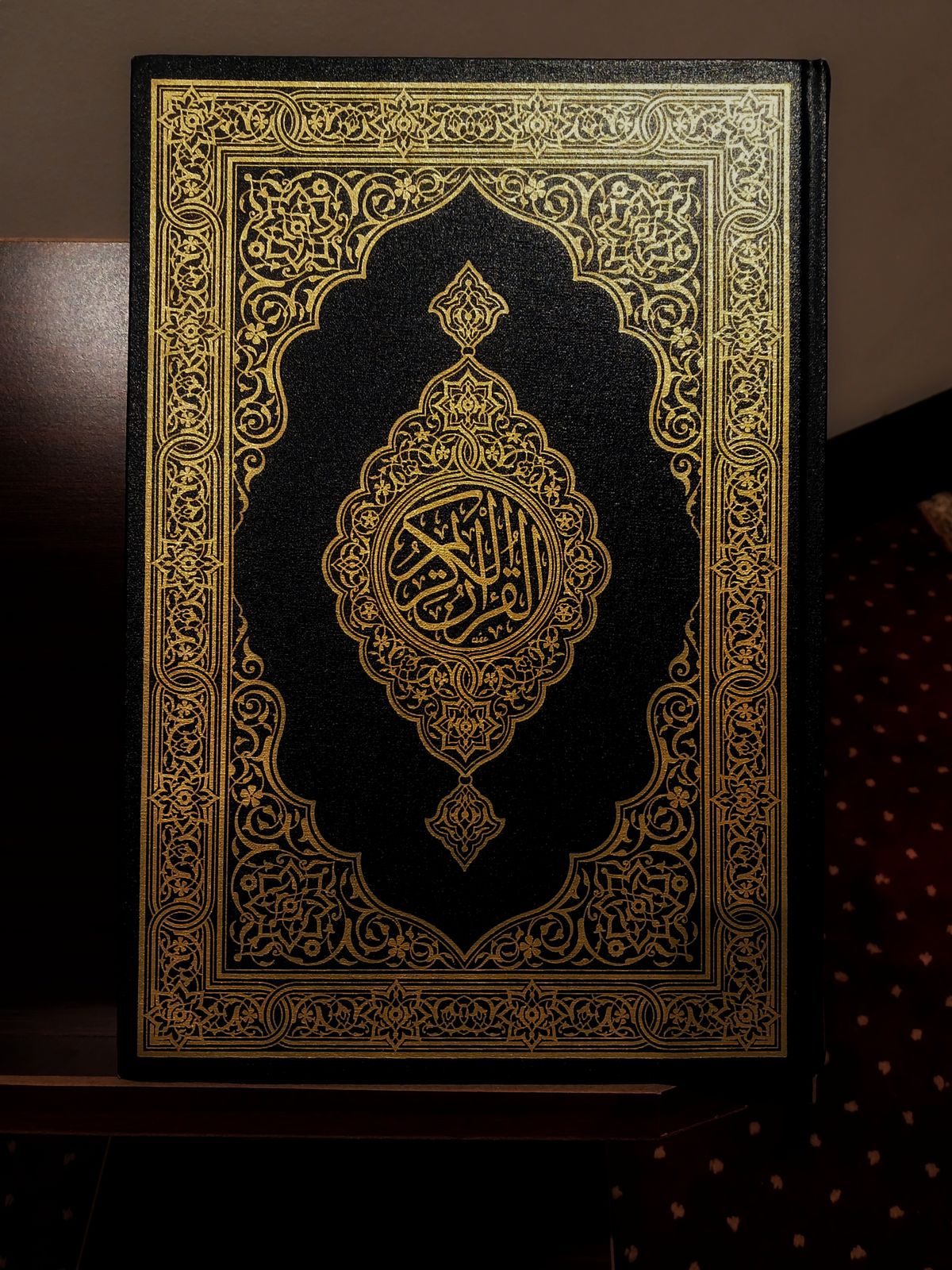
Your logo on every mockup
Add your logo once and it is placed on every image the flow generates, same position, same size, across the whole set. No bulk mockup generator does this, and it is the reason most sellers still finish their listing images by hand.
Design specifications
| Common trim sizes | 6 × 9 in and 5.5 × 8.5 in for trade paperbacks |
|---|---|
| Spine width | Page count × paper thickness; roughly 0.0025 in per page |
| Bleed | 3 mm on all outer edges of a full wrap |
| Safe margin | Keep text 12 mm from the trim and clear of the spine folds |
| Ebook covers | Front only, 1600 × 2560 px, no spine and no bleed |
| Colour profile | CMYK for print, sRGB for the mockup |
What sellers say
Before Custom Mockup Generator, every new design meant rebuilding the same five listing images from scratch. Now I drop in the design and get the whole set back ready to upload. It turned mockups from a production task into a checkbox.
Maya PatelEtsy seller, 40+ designsI tried template libraries, but the problem was never finding another mockup. It was making the same front, back, flat lay, size chart and lifestyle images over and over. Custom Mockup Generator finally solves that repetition.
Daniel BrooksPrint-on-demand sellerWe were considering building a rendering API because we had so many designs to process. Custom Mockup Generator gave us the result we actually needed without turning our shop into a software project.
Chris MorganPOD store ownerThe biggest difference is that I don't have to think about individual images anymore. I define the listing set once, add a new design, and the title, logo and size chart are already where they need to be.
Sofia RamirezIndependent apparel sellerMost mockup tools help you choose a scene. Custom Mockup Generator helps you finish a listing. That distinction sounds small until you're creating images for dozens or hundreds of products.
Alex TurnerE-commerce sellerI used to dread adding a new design because the artwork took five minutes and the mockups took forever. Now the artwork is basically the only part I have to do.
Jordan LeePrint-on-demand designer
Frequently asked questions
How do I work out the spine width?
Multiply the page count by the paper thickness your printer quotes, usually around 0.0025 in per page for standard stock. A 300-page book lands near 0.75 in. Always take the number from the printer rather than a generic table, because stock varies more than people expect.
What is the difference between an ebook and a print cover?
An ebook cover is a front face only, with no spine, no back and no bleed, usually 1600 × 2560 px. A print cover is a single wrap containing all three panels plus bleed. They are different files, and using the ebook front as a print cover is how titles end up cropped.
Should I show the book standing or flat?
Standing at an angle for a listing, because thickness is what makes it read as a real book. Flat and straight on when the cover artwork is intricate and you want it judged on its own. Most listings benefit from having both.
Can I show the inside pages?
Yes, and it matters for anything where the interior is part of the product, such as a workbook, a photo book or a journal. For a novel it usually adds nothing, since buyers assume what is inside.
Is this mockup generator free?
Yes. You get 4 free images without an account, and they carry a watermark. Pro is $7 a month and gives you 100 images, without the watermark.
Can I use these mockups commercially?
Yes, once the watermark is gone, which the Pro plan handles. Clean exports can be used on Etsy, Shopify, Amazon and print-on-demand listings, and in client work. Watermarked exports are for comps and internal review only.
Do I need Photoshop or a smart-object template?
No. This runs in the browser. Upload your artwork, choose the options, download the result. There is no PSD to open, no smart object to replace and nothing to install.
Which file formats can I upload?
PNG, JPG and WebP. PNG with a transparent background gives the cleanest result on every product, because a JPG carries a white rectangle that shows up against anything the artwork does not fully cover.